History
This is the page description.
History
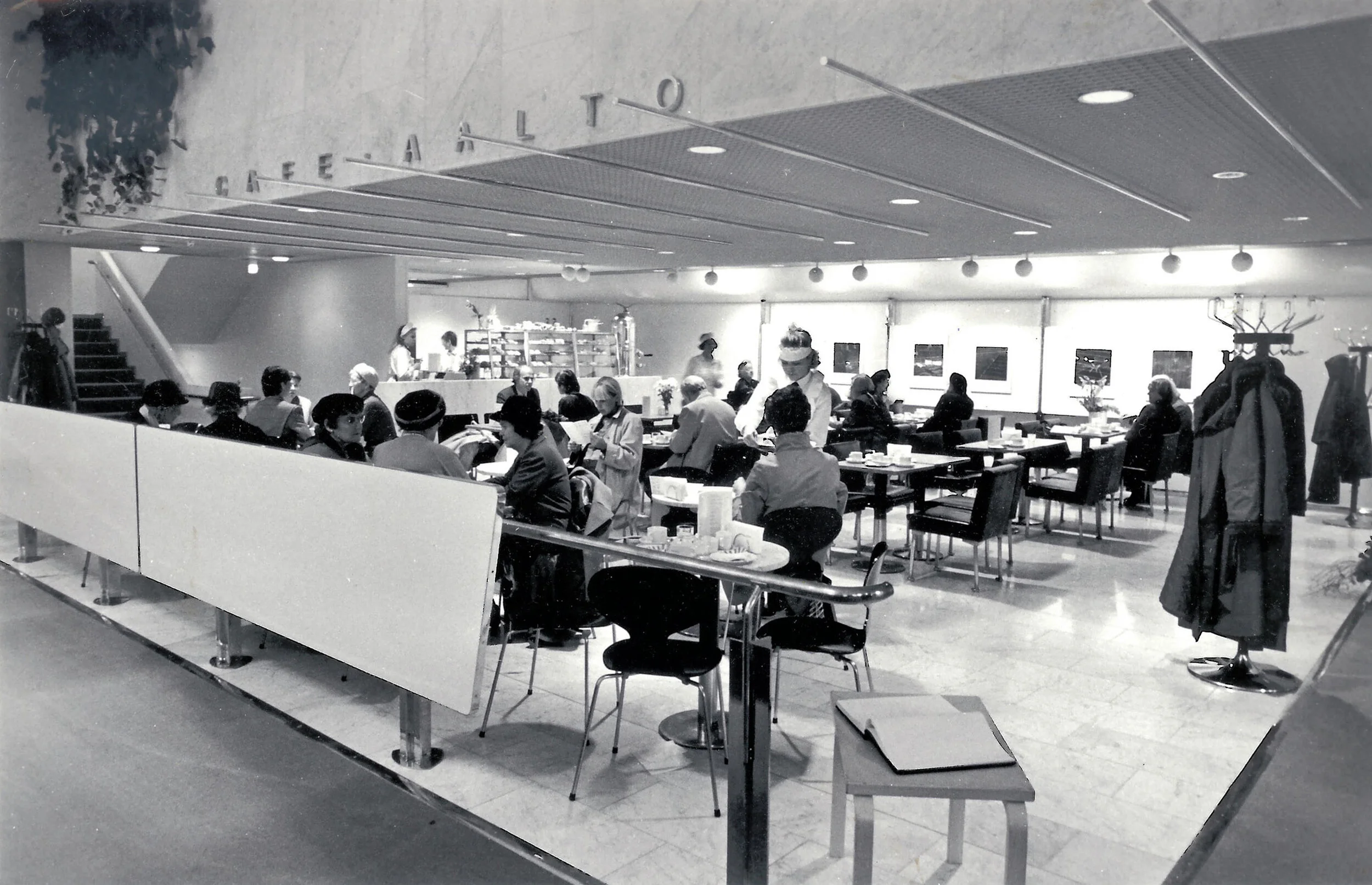
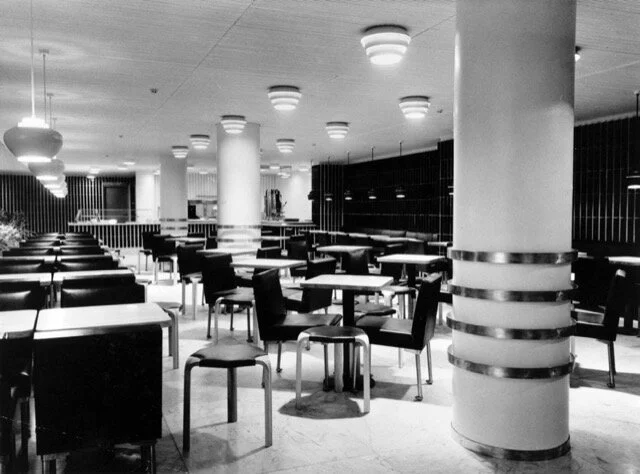
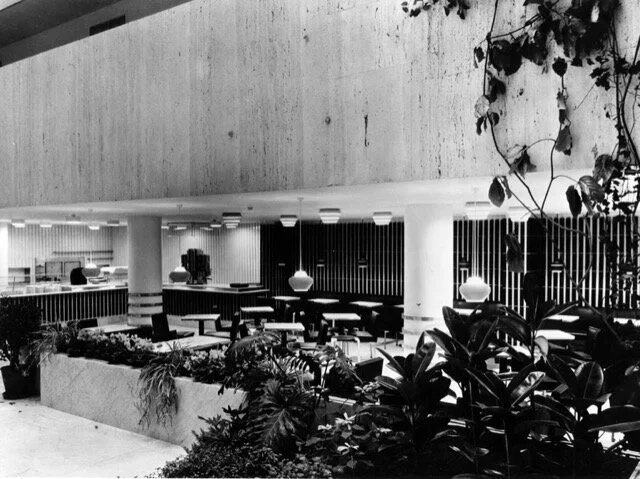
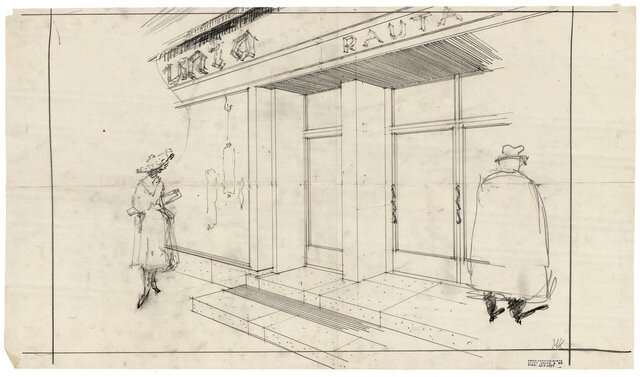
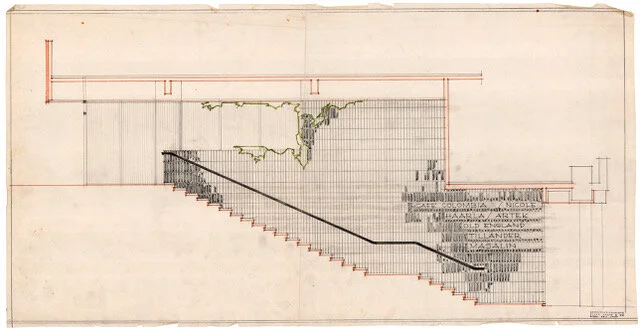
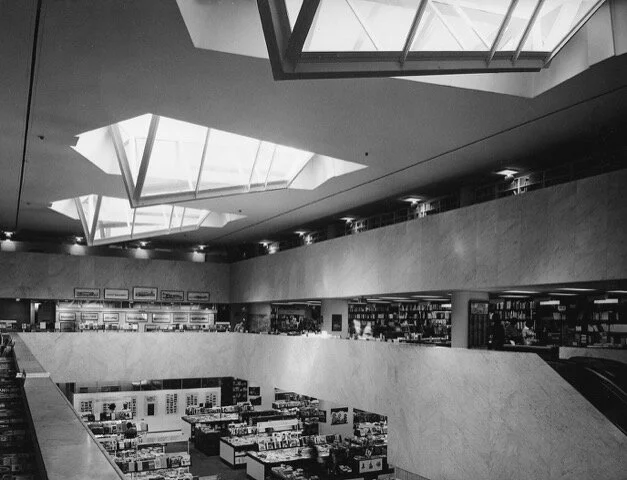
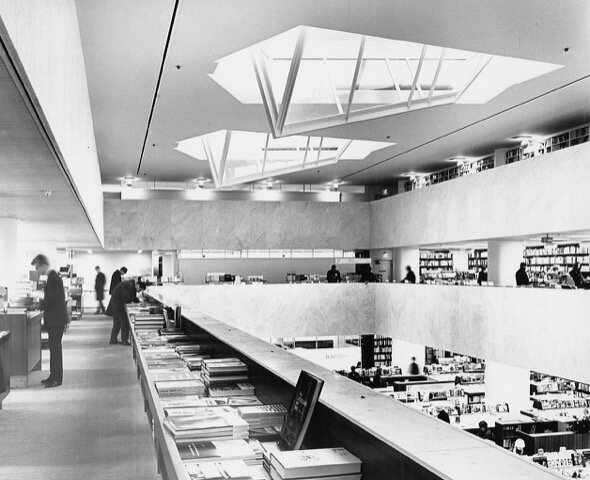
アルヴァ・アアルトによって設計されたラウタタロ(フィンランド語で「鉄の家」)は、ショップを含むオフィスビルとして1955年に完成しました。なかでも特徴的だった“大理石の庭”と呼ばれる吹き抜けのオープンスペースは、ショップとオフィススペースを調和させる役目を果たし、そこにあったカフェは長年ヘルシンキの憩いの場として親しまれていました。
1980年代に入るとヘルシンキの町は徐々に国際化され、町のあちらこちらに新しいカフェが次々に生まれました。“大理石の庭”のカフェは次第に流行から外れていき、ラウタタロの経営も行き詰まっていきました。存続の危機にさらされたラウタタロを保護するため、フィンランド建築協会は1985年にラウタタロの永久保護の嘆願を市に提出しました。1991年になってようやくその嘆願が受け入れられることになりましたが、すでにカフェは経営悪化のため閉店されていました。
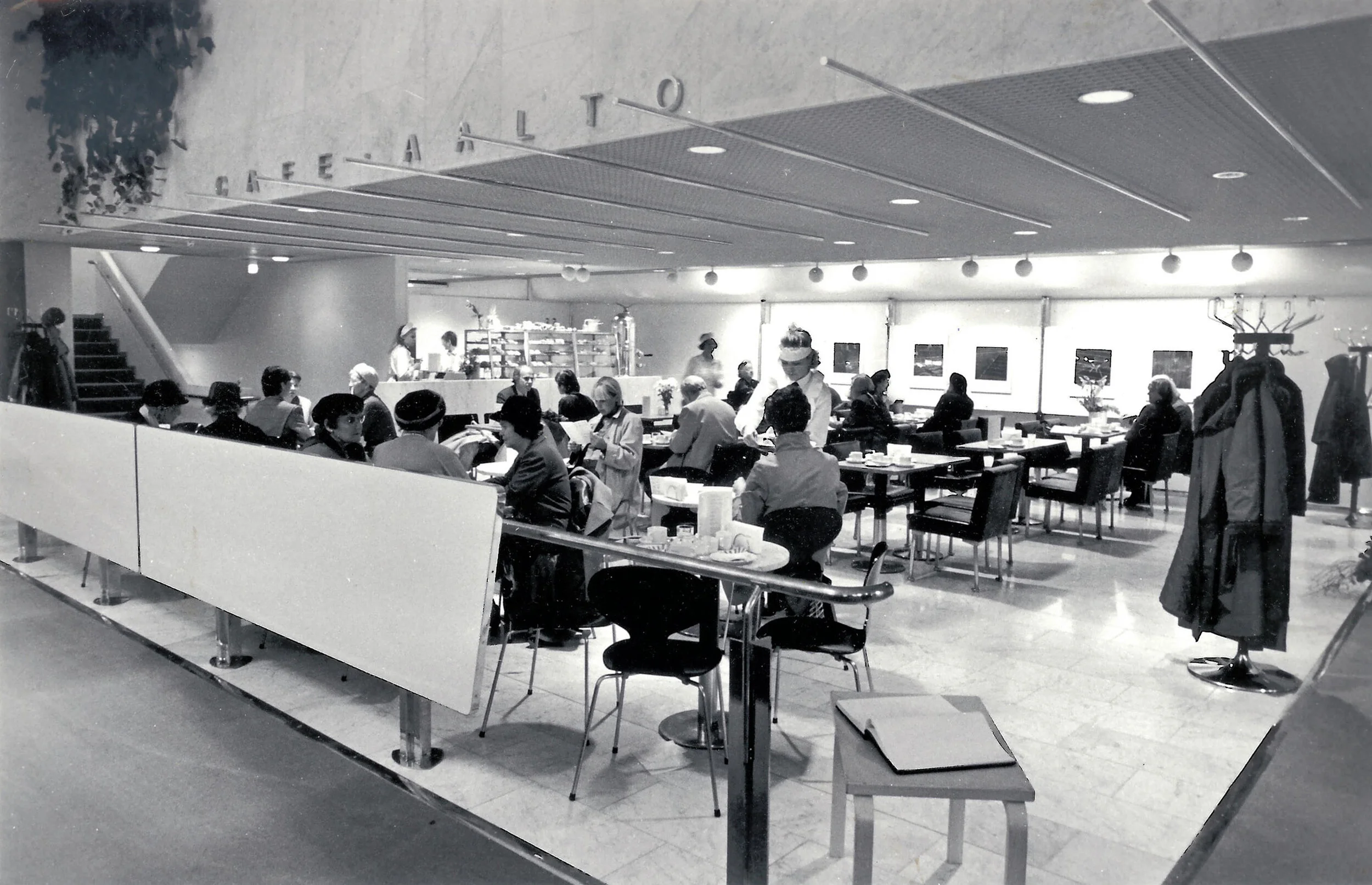
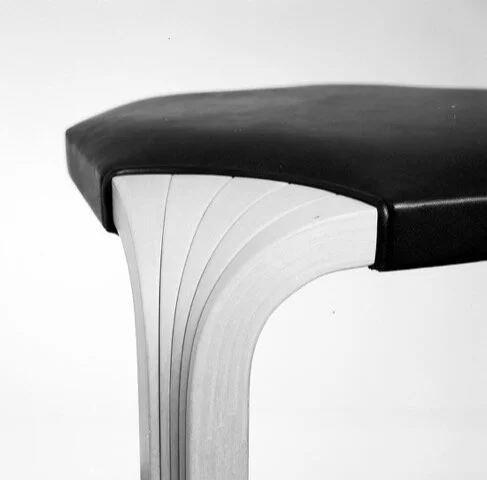
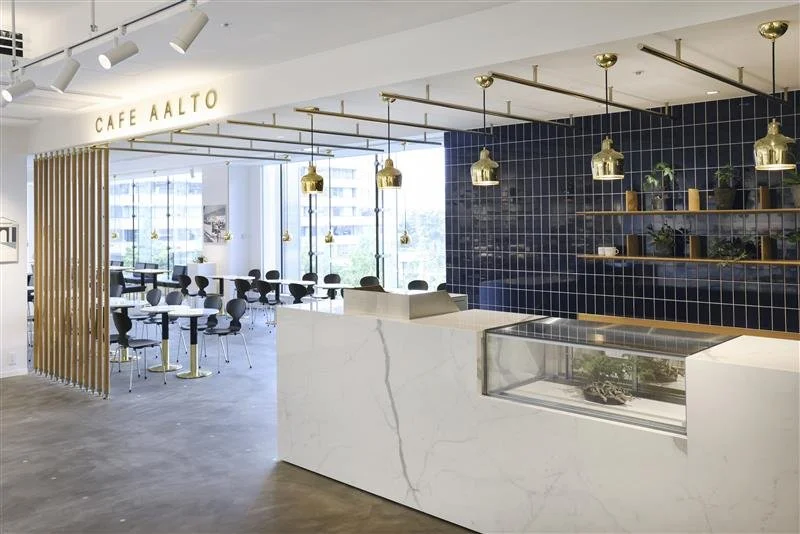
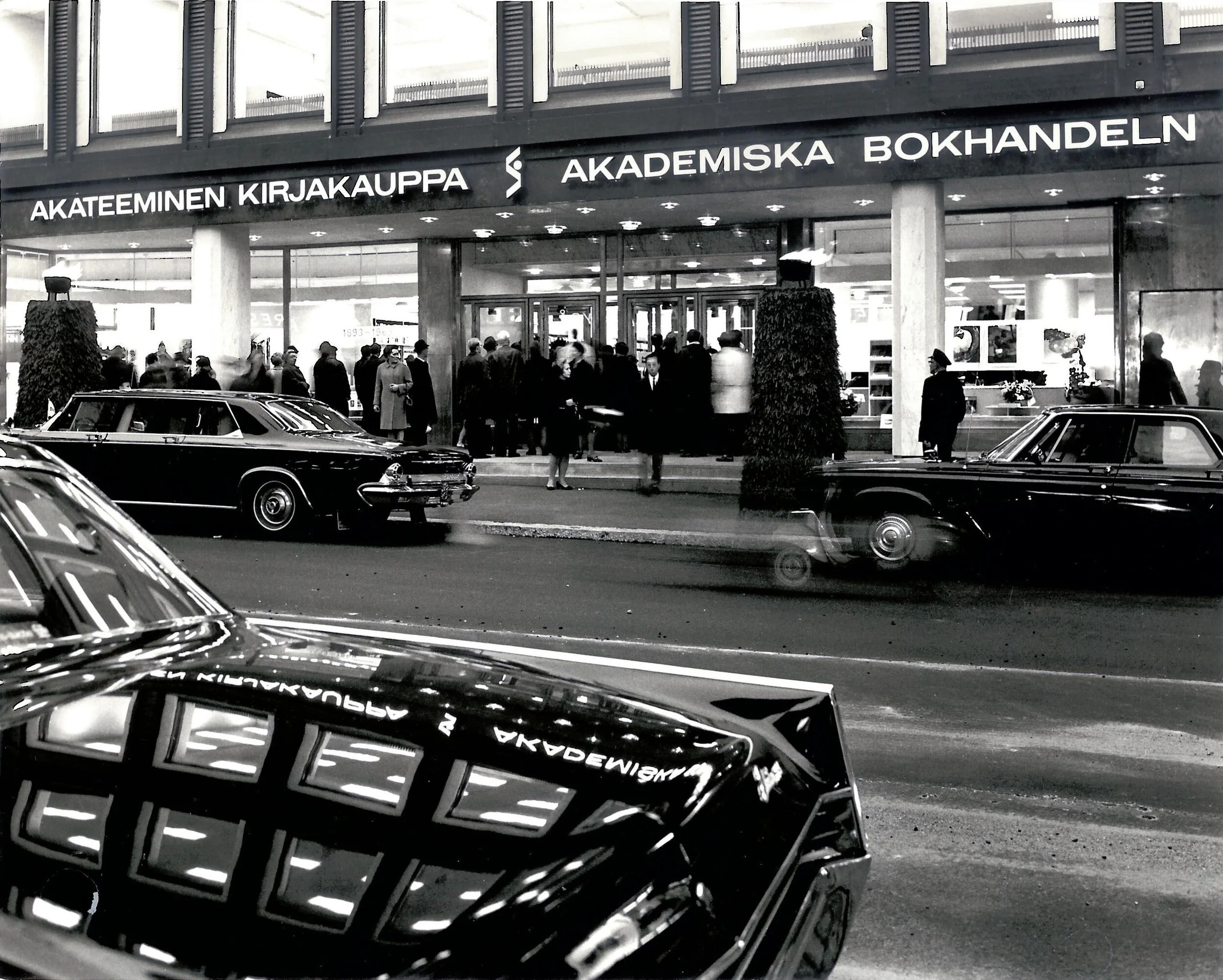
閉店後、カフェで使用されていたアアルトデザインの家具は競売にかけられることになり、ストックマン・デパートがすべてを買い取り、アルヴァ・アアルト財団に寄付しました。そして、ストックマンが同じくアアルト建築によるキルヤタロ(フィンランド語で「本の家」1969年)の中にカフェをオープンすることになった際、財団は寄付された家具を使用する許可を与えました。ロイ・マンッタリによって設計されたカフェは、エリッサ・アアルト未亡人によってアアルトという名の使用を許可されました。アルネ・ヤコブセンによるアリンコチェアもインテリアのひとつになりました。
マイヤ・リーサ・シェーベルグが店主に選ばれ、1986年11月16日にカフェ アアルトはオープンしました。現在は彼女の息子、マルコ・サラシーノ(父親はイタリア人)がその経営を引き継ぎ現在にいたっています。
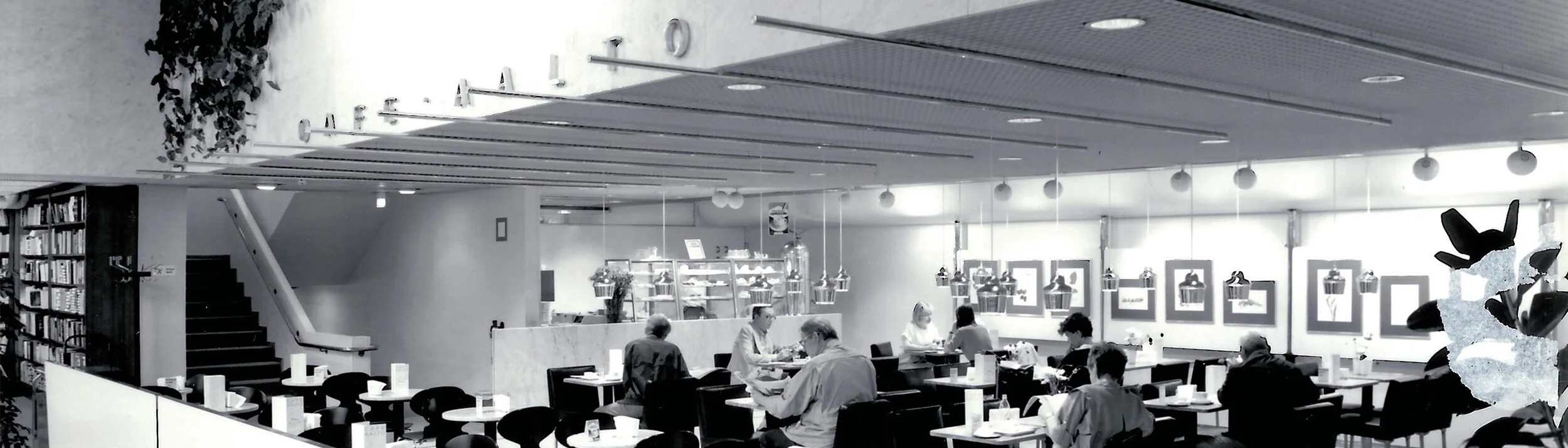
Rautatalo (“the Iron House”) on Keskuskatu Street in Helsinki was completed in 1955. Designed by Alvar Aalto as a commercial and office building, it quickly became a landmark of modern Finnish architecture. One of its most distinctive features is Marmoripiha (“the Marble Garden”), an open atrium that connects the retail and office spaces. For many years, a café in Marmoripiha was an important meeting place and part of Helsinki’s social life.
By the mid-1980s, however, rising office rents in Helsinki strained Rautatalo’s finances. At the same time, new cafés were opening on street corners as Finland became more Europeanized. Marmoripiha no longer reflected the pulse of city life and gradually fell into decline. In 1985, when the future of Marmoripiha and its original furniture was at risk, the Finnish Association of Architects filed a petition under the Building Protection Act to safeguard Rautatalo. The petition was eventually successful, but the decision to protect the building was not made until 1991—by which time the café had already closed due to unprofitable business.
As a result the furniture from the Rautatalo cafeteria was auctioned. Stockmann ended up buying the furniture and donated it to the Alvar Aalto Foundation. When Stockmann build a cafe in Kirjatalo, “the Book House”, designed by Alvar Aalto in 1969, the foundation gave Stockmann the right to use the furniture. Roy Mänttäri was chosen as architect and Elissa Aalto, who gave permission to use the name Aalto, became the godmother for the cafe. The Ant Chair by Arne Jacobsen also became a part of the interior.
Once the facilities were completed, entrepreneur Maija-Liisa Sjöberg was selected to operate the café. Café Aalto opened on November 16, 1986, and has remained a family business ever since, now run by the second generation.